

Alternate Biology
Or, If We Laid Eggs

The spring had sprung, and you could feel it in every breath of air that drifted lazily through the city. No, “lazy” is a word reserved for summer. The spring air frolicked, full of energy but unhurried.
The same could not be said about the people in the street. All winter they had lived mostly at home, snuggled under blankets when they could, bundled up in coats and hats and scarves and gloves when circumstances dictated it must be so. Now, with the time change and the temperatures that hovered well above freezing, a new intensity had seized the general population. They walked faster, talked faster, and, if you observed intently, the odd adult even skipped once or twice before returning to the dignified but rapid pace they thought suited someone their age.
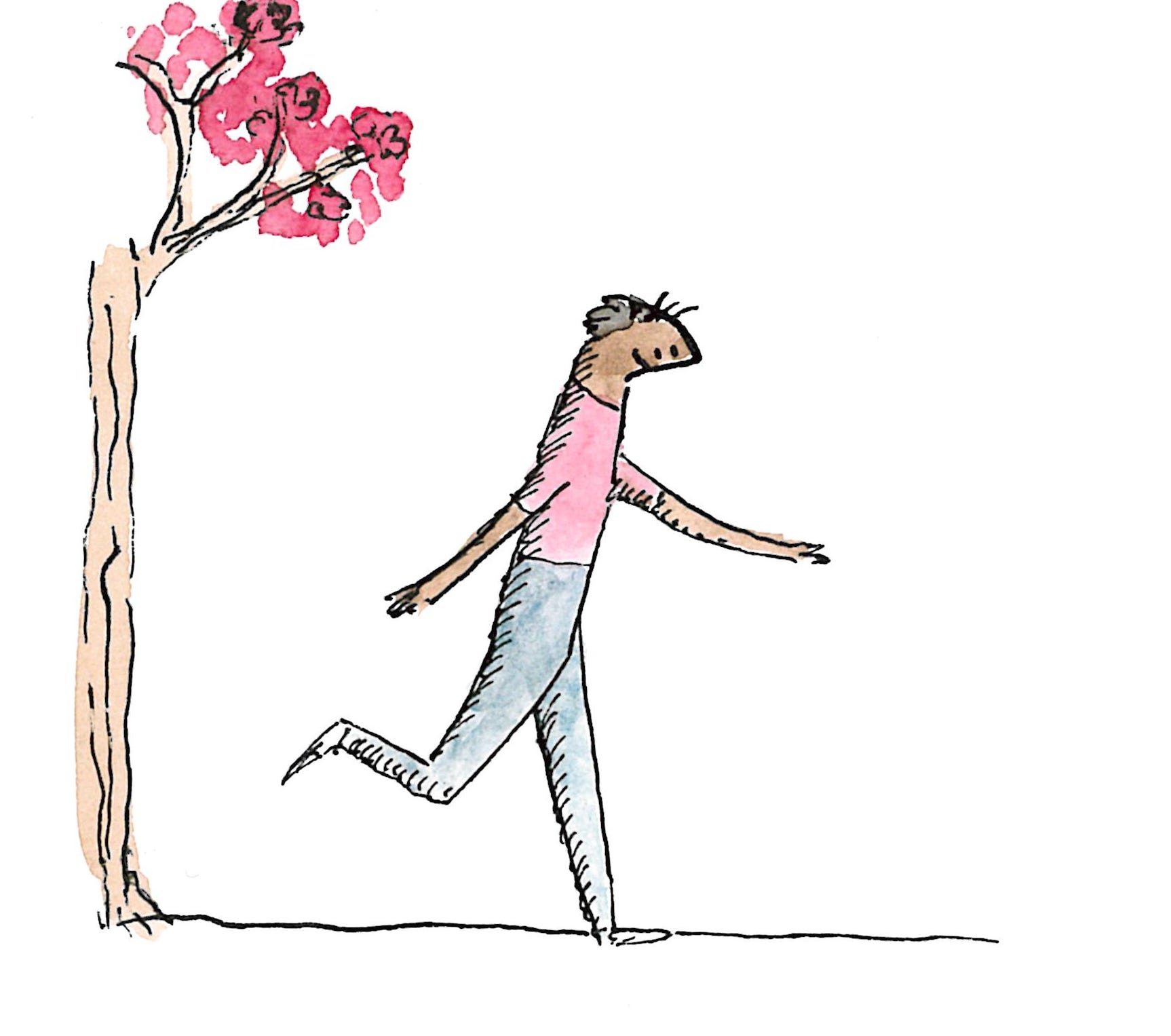
Why were all these people rushing, almost running, as if something very important was about to happen?
It was nesting season, of course.
Every house, every apartment, every community center was the focus of its occupants’ attention. Adults went on frequent errands to get pillows, sheets, blankets, shawls, anything that was nice and warm and most importantly protective. Yes, there would be new eggs next year. That didn’t mean this year’s eggs should be put at risk.
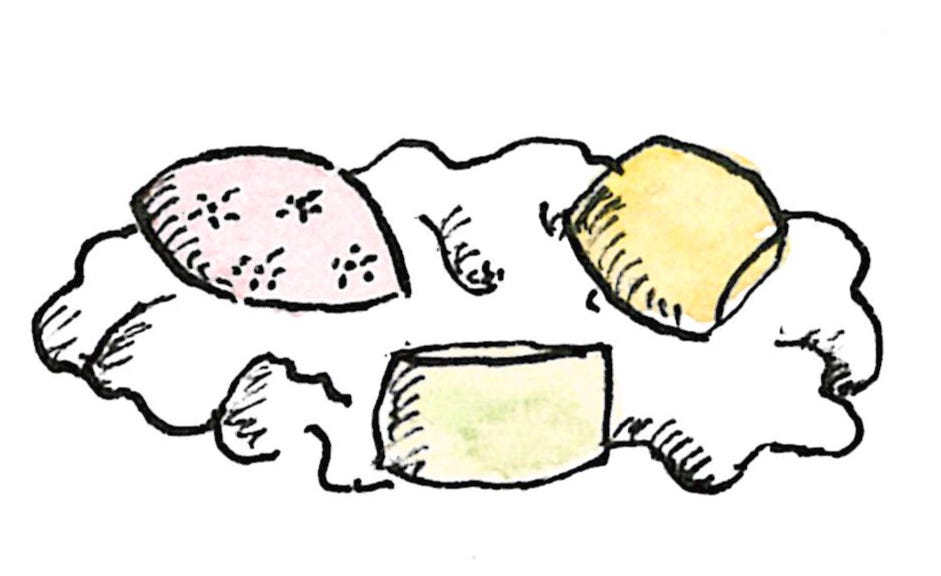
And so the first months of spring passed with couples running around to prepare the nest for eggs that had yet to be laid. There were disputes over the last pillow a store had to offer, squabbles over who deserved the softest blanket, that sort of thing. But it happened every year, so no one took it personally. Then of course there were those who had been preparing all winter and were ready by March, as well as those who had kept all last year’s materials for the new brood. But most people liked to start fresh every time.
By the end of April, the frenzy slowed down. During the day, one parent stayed at home to sit on the eggs. Everyone had their own routine; some knitted, others wrote, many worked from home (ever since online work had become a thing, “nesting leave” had become less frequent). The other partner went about their usual business, buying groceries, working, enjoying the nice weather outside. In the afternoon, they traded roles, and so no one was forced to stay inside for the month it took to incubate.
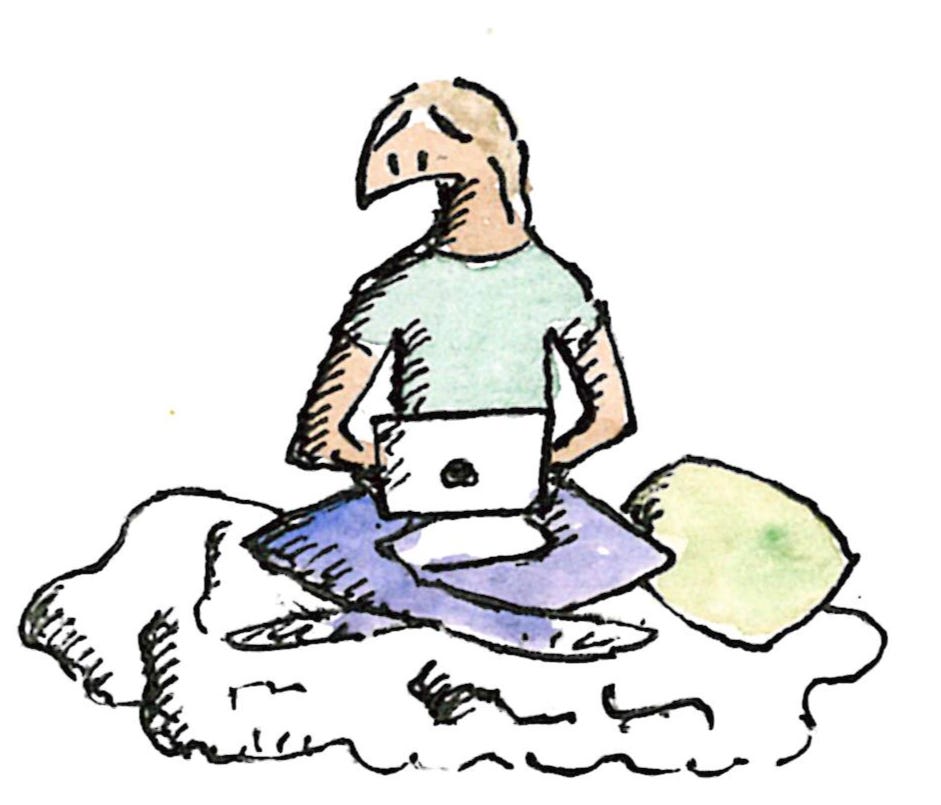
This was a happy but stressful time. Every nesting adult was anxiously awaiting the first signs of hatching, and had a tendency to hoard anything that could be useful. Wet wipes, teething rings, baby bottles (people used to regurgitate to feed their babies, but recently this was seen as uncouth and the bottle had become more common)… Stores had to work hard to keep everything in stock. There was less hurry, but the tense waiting for something to happen was palpable, even to those who weren’t nesting that year.
And then, there was the first crack.
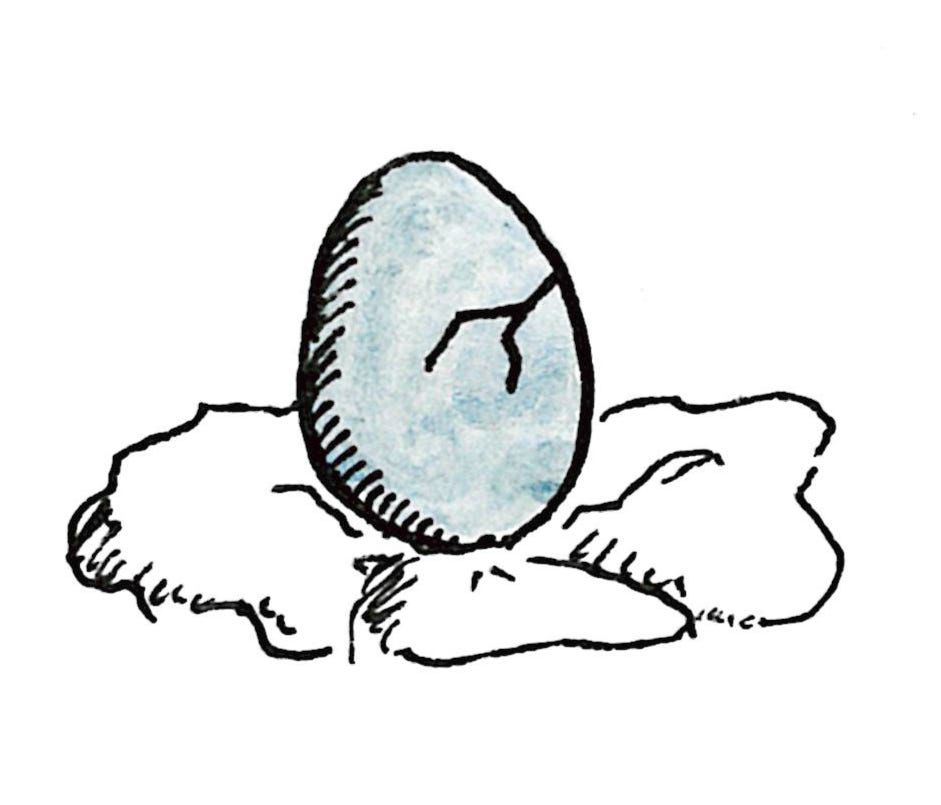
For some it happened sooner, for others later. For a few, it never happened at all, and as their neighbors’ houses filled with cries and calls, the couple would look at each other sadly and say, “Next year.” But this was rare, and the city was soon alive with all the sounds a newly-hatched baby makes. Screams and shouts and wails and laughs flooded the neighborhoods, and there was no doubt as to what time of year it was.
It was lovely but very strange to watch a baby hatch, especially when it was the parents’ first time. The baby’s single tooth, which had steadily been ingesting the calcium from its egg, was strong enough to break the weakened shell, and by doggedly tapping from the inside, the egg cracked. From that first divide came a series of tiny fissures, which grew and grew until a little thumb or a tiny toe peeked out and fought its way to the light.
“Look, here’s my first-born,” parents would say months later, when their babies had fledged, and the photograph they looked at with such pride showed damp hands and feet and a pair of cautious eyes looking out from a half-broken eggshell.
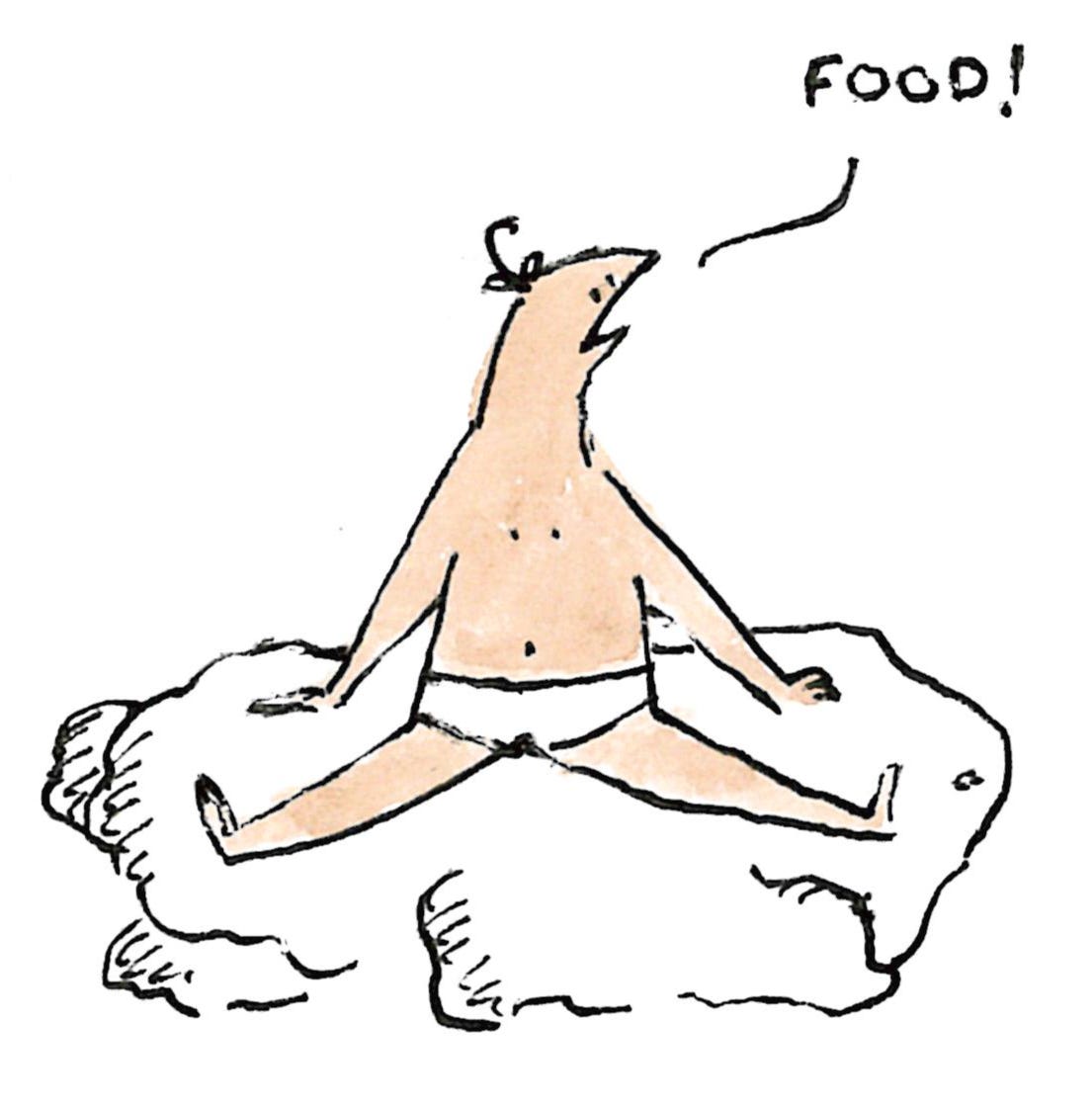
From that moment on, such an energy pervaded the city that the frantic hustling of the previous months looked like slow wanderings. Food had to be bought, constantly. One parent stayed at home to feed the baby with what they had, the other ran to get more. There was never enough at home, even if you had bought the special “baby fridges” the television ads boasted about. Food, food, more food. The babies grew at such a pace that they needed sustenance, ever more sustenance, to build the legs and the hair and muscles they would need to survive.
Two months later, they were ready.
Having lived all this time in a nest, their first steps were unsteady, and they weren’t always sure they wanted to leave. But they were nearly the size of full-grown adults now, and with only a little practice they were able to walk and even use the stairs.
Every time they made it to the front door, they would come back.
Until one day, they wouldn’t.
For some parents it was a sad day, for others a moment of pride, for most it was a mixture of the two. They looked at the unmade nest, full of the crumbs and unidentified fluids that two months of growing up will always make. They looked at each other and smiled, maybe more quietly than usual, and stood by the door for a moment.
Then they shook out the nest, cleaned up the house, and started making plans for next year.